Choosing Your Floating Sanctuary
Catamaran vs. Monohull Yacht
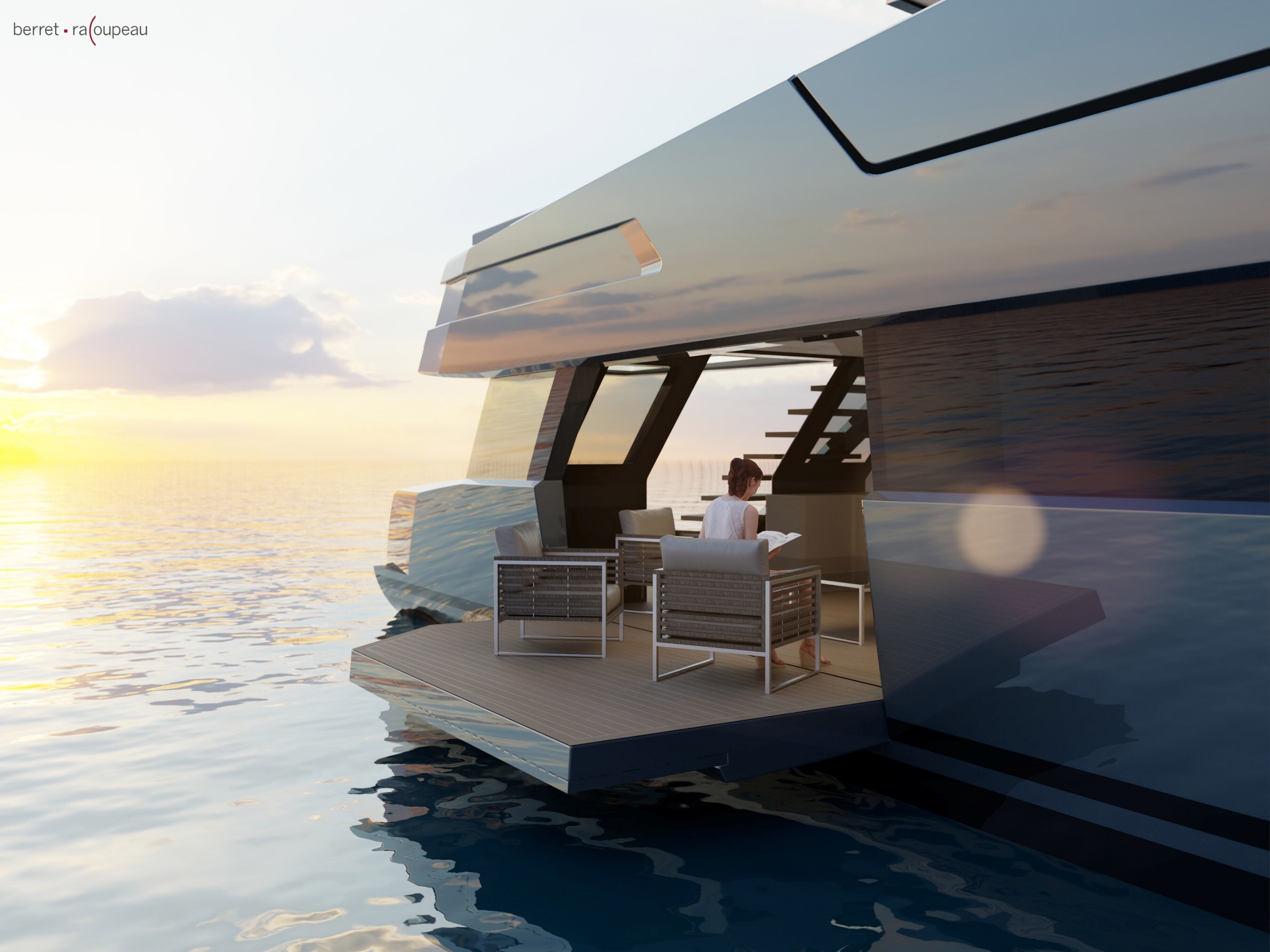
The catamaran vs monohull yacht decision shapes not merely a holiday, but an entire philosophy of how you inhabit the sea. These two approaches could scarcely differ more—one spreads wide and level like a floating terrace, the other cuts deep and heels with the wind’s rhythm. Choosing between them means deciding which maritime experience speaks to your soul.
Catamaran vs. Monohull Yacht
The Architecture of Tranquillity
Step aboard a catamaran and the first revelation arrives wordlessly: the deck beneath your feet remains level. Where a monohull would lean with every gust, twin hulls create a platform as steady as any villa overlooking the Mediterranean. This fundamental steadiness cascades through every aspect of life aboard—crystal stemware rests undisturbed on salon tables, guests cross from cockpit to cabin without bracing themselves, and that subtle fatigue from constant balance adjustments simply never materialises. Even the crew find their work considerably easier when the boat maintains its equilibrium.
For those new to sailing, or anyone who values tranquillity above tradition, this characteristic transforms the entire experience. Seasickness finds no purchase here. What emerges instead feels less like voyaging and more like residence—gracious spaces extended seamlessly onto the water.
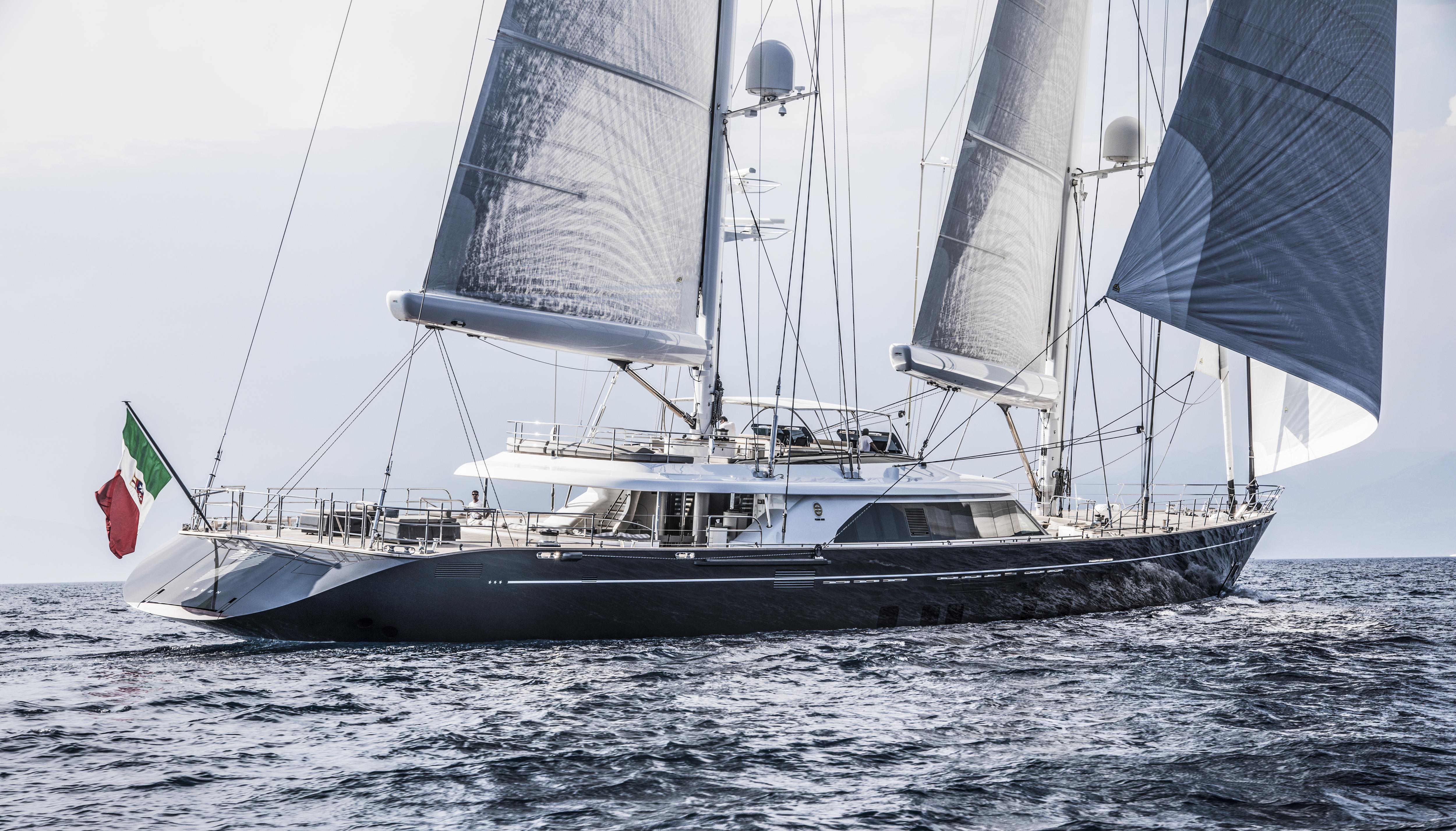
A monohull yacht pursues an entirely different ideal. These vessels actively engage with the wind, heeling over as sails fill, offering that visceral conversation between elements that sailors have cherished for millennia. The deep keel provides its own form of steadiness, one earned through centuries of refinement. When choppy seas arrive, this becomes particularly evident. While the catamaran may shudder slightly as waves slap its bridgedeck, the monohull simply rides through the swells with that fluid motion devotees find genuinely exhilarating. The catamaran vs monohull debate often centres on this fundamental question of motion and feel.
Space as Luxury
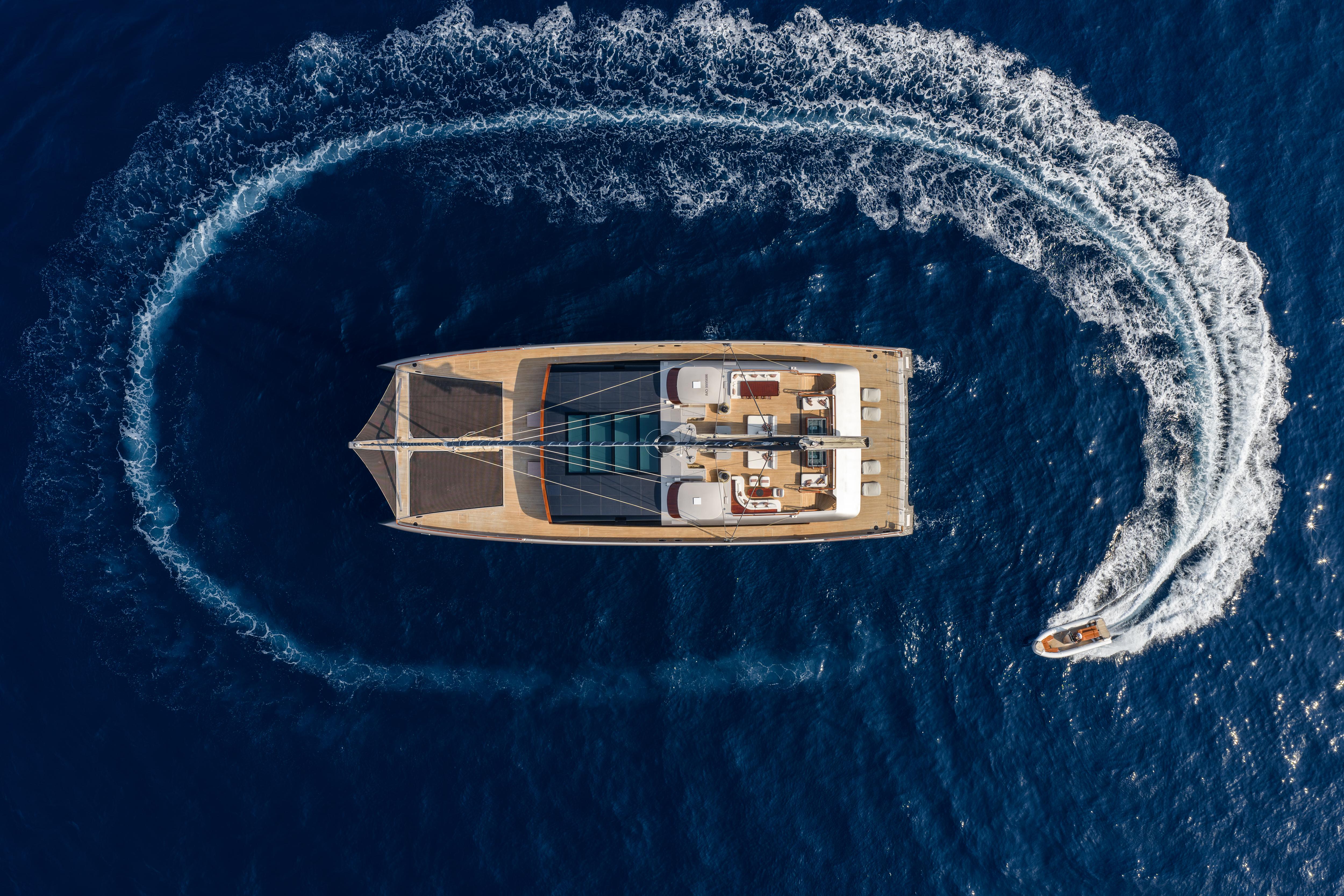
Within the world of luxury yacht charter, physical space translates directly into possibility. A forty-foot catamaran offers over seventy square metres—dimensions rivalling refined apartments ashore. Two hulls provide vastly more usable volume than one.
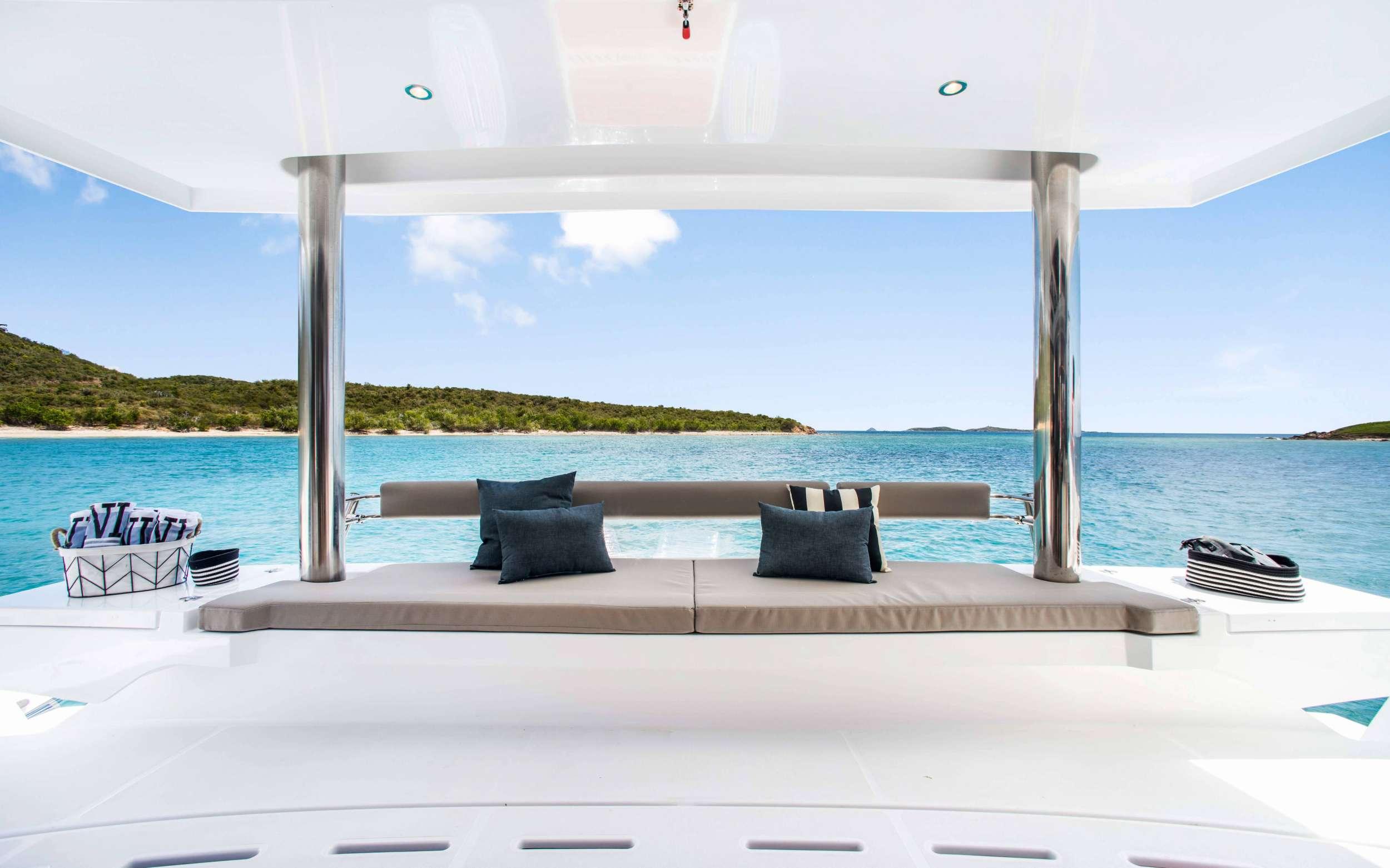
The main saloon sits elevated above the waterline, floor-to-ceiling windows dissolving the boundary between interior and seascape. Because the galley, dining area, and aft cockpit share a single level, conversation flows naturally between those preparing meals, those lounging with wine, and those watching horizons.
Guest accommodation particularly benefits from twin-hull architecture. Staterooms occupy separate hulls, creating privacy impossible in similar-length single-hull vessels. Parents might host evening drinks while children sleep soundly metres away. The foredeck trampolines become the vessel’s most enchanting space—where one reclines beneath wheeling stars with nothing but night air between body and cosmos.
Monohull yachts approach spatial planning differently. Everything tucks within that single hull, creating more intimate proportions. Larger vessels beyond sixty feet achieve remarkable refinement, yet the essential character remains one of enclosure rather than sprawl. Couples or small groups often find this quality deeply appealing.
Performance and Possibility
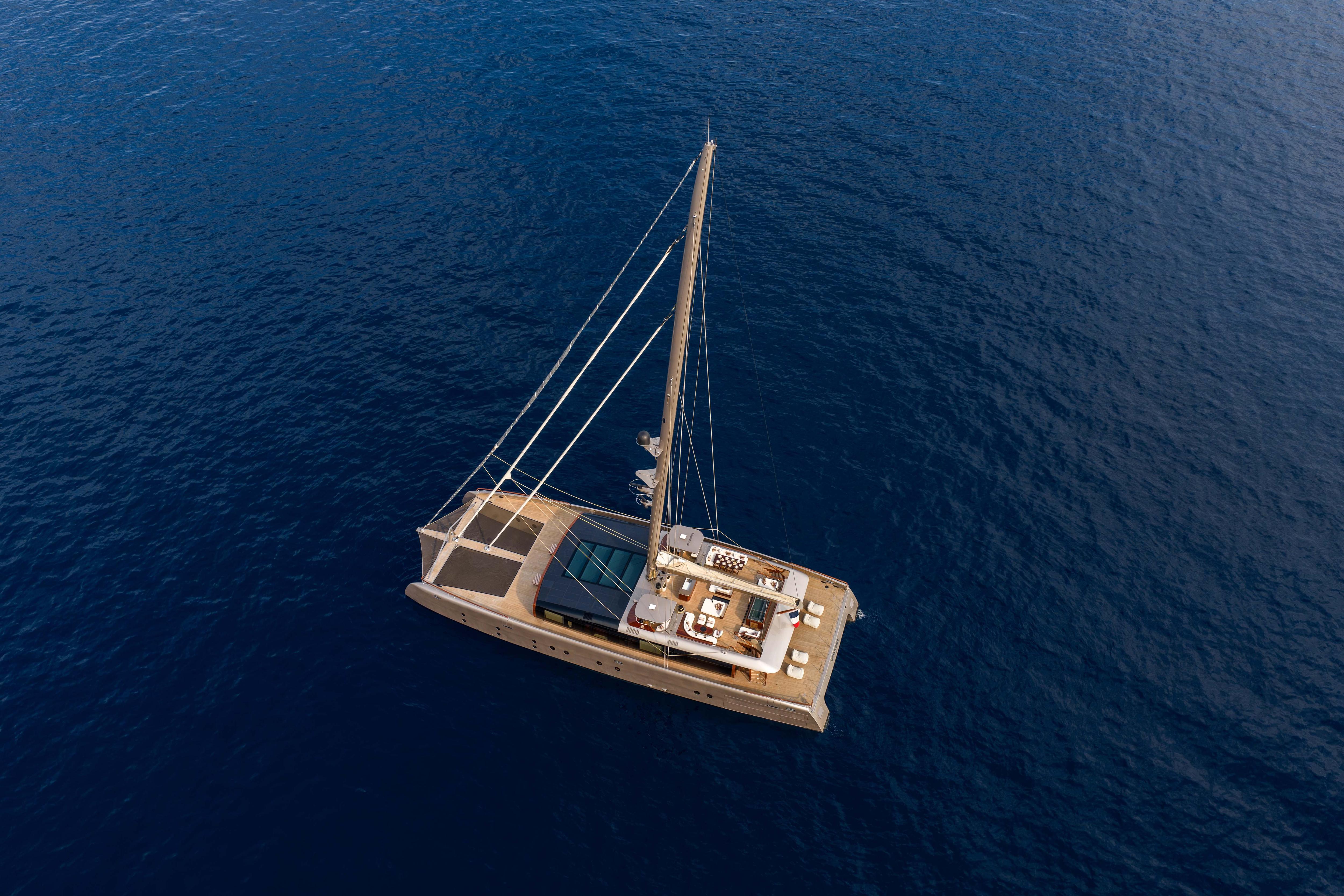
Speed aboard a charter vessel matters for what it purchases: additional hours at anchor, flexibility to adjust routes, confidence to cover greater distances. The catamaran demonstrates clear advantages. When sailing downwind or reaching—where most cruising occurs—these vessels regularly outpace comparable monohulls by twenty-five to thirty per cent. Modern designs ghost along in a mere four or five knots of breeze. The swiftest can log two hundred and fifty nautical miles in twenty-four hours. Once underway, the catamaran vs monohull performance difference becomes immediately apparent.
Monohull yachts excel when working upwind. That substantial keel provides exceptional ability to point high and drive efficiently against the breeze. For sailors who relish tactile feedback, this represents something essential—the performance becomes part of the pleasure.
Access to the Inaccessible
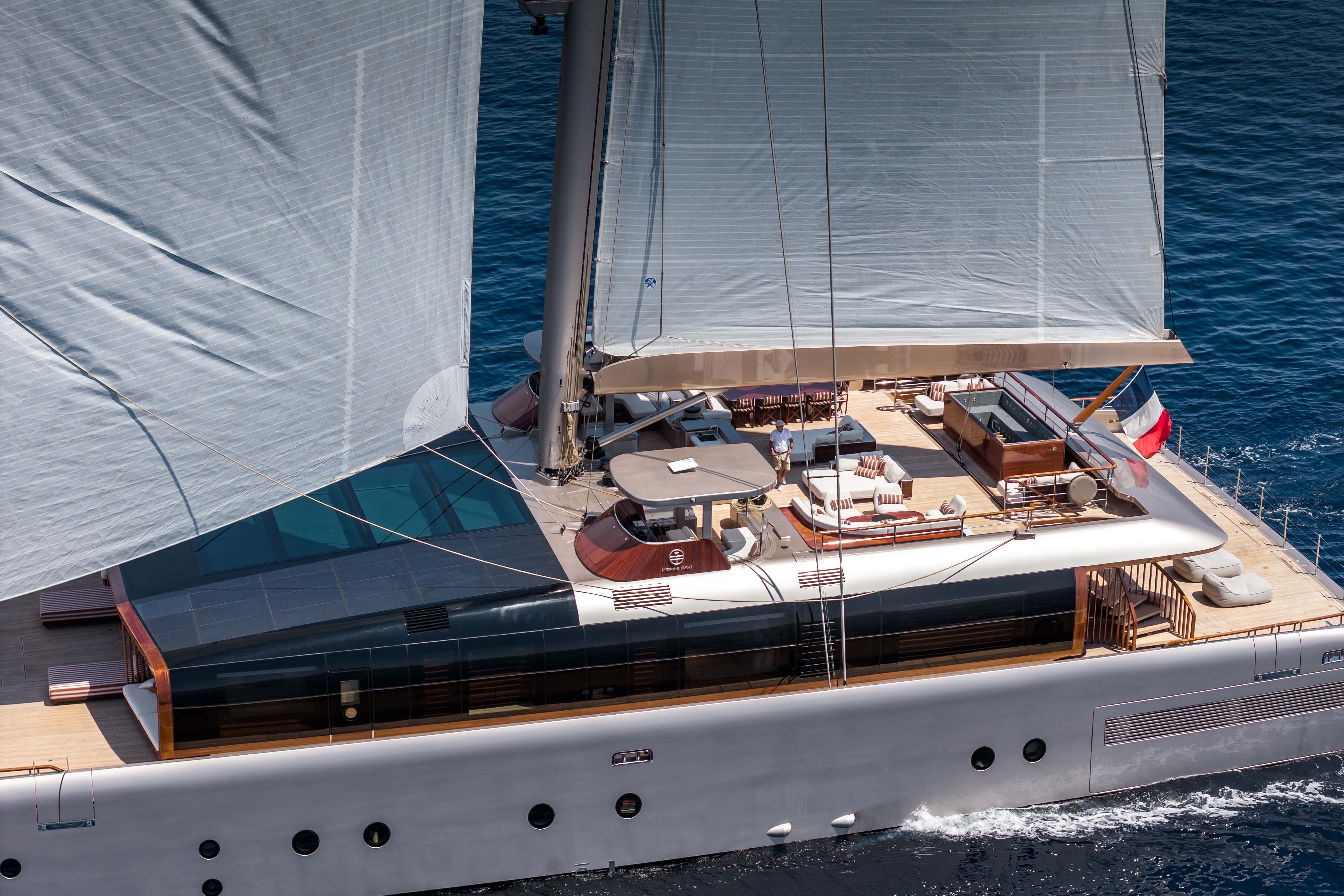
True luxury reveals itself in where you can go that others cannot. The catamaran’s shallow draught—typically drawing barely more than a metre—unlocks destinations that deeper-keeled vessels must admire from a distance. Secluded anchorages behind reefs, pristine beaches where you wade ashore, hidden coves—these transform from possibilities into routine stops. When weather patterns shift or exploration beckons, the catamaran vs monohull comparison tilts toward shallow-draught capability.
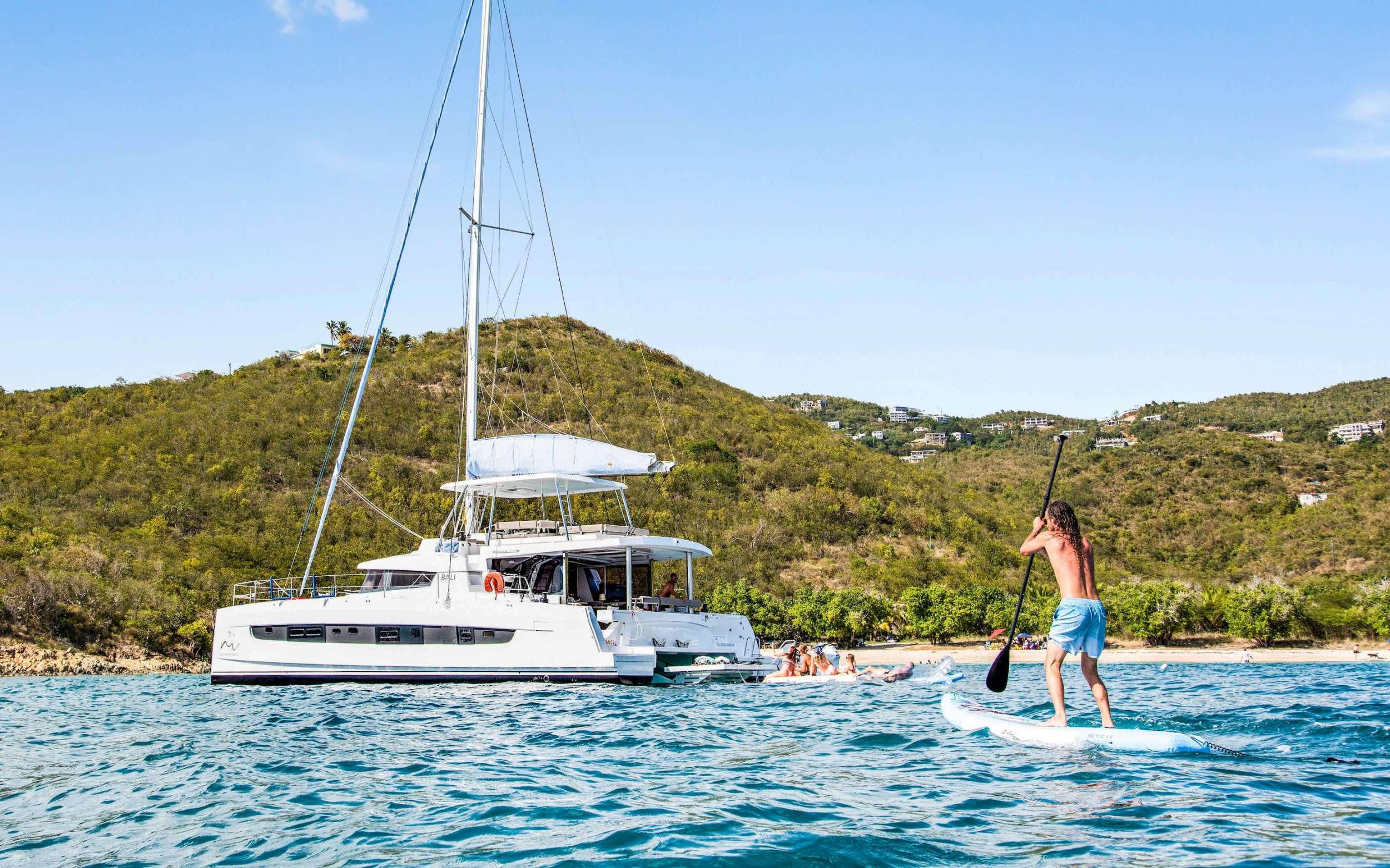
The broad, stable platform creates ideal conditions for water engagement. Diving, snorkelling, paddleboarding—all become more inviting when moving between vessel and sea requires merely stepping down wide stairs. Many position the helm on an elevated flybridge, offering sightlines that turn navigation into entertainment.
Monohull yachts surrender some versatility for other virtues. That deeper keel contributes to stability when anchored in exposed conditions where weather and swell might challenge lesser vessels. The same depth also enables superior windward capabilities.
The Environmental Dimension
Modern luxury increasingly incorporates environmental sensitivity—not as a reluctant obligation, but as refinement itself. The thoughtful charterer seeks vessels that move through water leaving minimal trace, and here the catamaran offers genuine advantages. Those twin slender hulls create far less drag than a single wider hull displacing equivalent volume, translating directly into reduced fuel consumption. The generous deck area accommodates extensive solar arrays, while that same beam provides stable foundations for electric propulsion systems that can power short hops in near silence.
Beyond the purely environmental equations lies another benefit: open-plan layouts naturally encourage air circulation, often rendering air conditioning unnecessary during daylight hours. The result feels less like a sacrifice and more like an enhancement—living in genuine harmony with surroundings.
The Social Canvas
How you envision using your vessel—whether hosting extended family, entertaining friends, or seeking ample personal territory—fundamentally influences the catamaran vs monohull decision. The catamaran’s generous proportions lend themselves naturally to social occasions. That expansive aft cockpit, the spacious saloon, the multiple outdoor zones—these create venues where groups gather comfortably without feeling cramped. The same steadiness that prevents glassware from sliding also allows the crew to work with something approaching shore-based kitchen ease.
Distinct outdoor areas multiply the possibilities. Some might prefer reading quietly in the sheltered saloon, others lingering over lunch in the cockpit, teenagers claiming the foredeck trampolines, early risers watching dawn break from the flybridge.
Monohull yachts foster an inherently different social dynamic. More compact shared spaces naturally draw people together. For those who view closeness as a feature rather than a limitation—couples seeking intimate romance, small groups who actively prefer gathering around a single cockpit table—this proves not merely acceptable but genuinely preferable. The atmosphere leans toward the contemplative, the connection to sailing’s quieter traditions more palpable.
The Practical Considerations
Honesty requires acknowledging the financial dimension. Catamaran charters typically command rates fifty to one hundred per cent higher than comparable monohulls—a premium reflecting both their surging popularity and the genuine advantages they deliver. Yet this calculation shifts considerably when divided among larger groups.
Marina space adds another layer to consider. That generous beam requires wider berths, with some marinas unable to accommodate such proportions—an issue monohulls rarely encounter. For those focused primarily on time at anchor, swinging freely in secluded bays, it becomes largely academic.
Understanding these distinctions helps align vessel choice with aspiration. Whether you’re exploring our yacht buying guide to understand the purchase process, considering buying a yacht, or reviewing current yachts for sale, the catamaran vs monohull yacht comparison ultimately comes down to matching vessel characteristics with your personal priorities. Both paths lead to extraordinary experiences—they simply arrive via different routes.
Your Journey Awaits with Fraser
For over seventy-five years, Fraser has guided discerning clients toward their ideal charter experiences—whether aboard spacious catamarans offering villa-like comfort or classic monohulls delivering traditional sailing romance. Our specialists understand that selecting the perfect vessel means matching not merely practical requirements, but the deeper aspirations that draw you to the water in the first place. Explore our yachts for charter and begin crafting your next maritime escape.
Catamaran vs. Monohull Yacht
Frequently Asked Questions
CONTINUE EXPLORING
Buying & Selling Yachts