How to Charter a Yacht

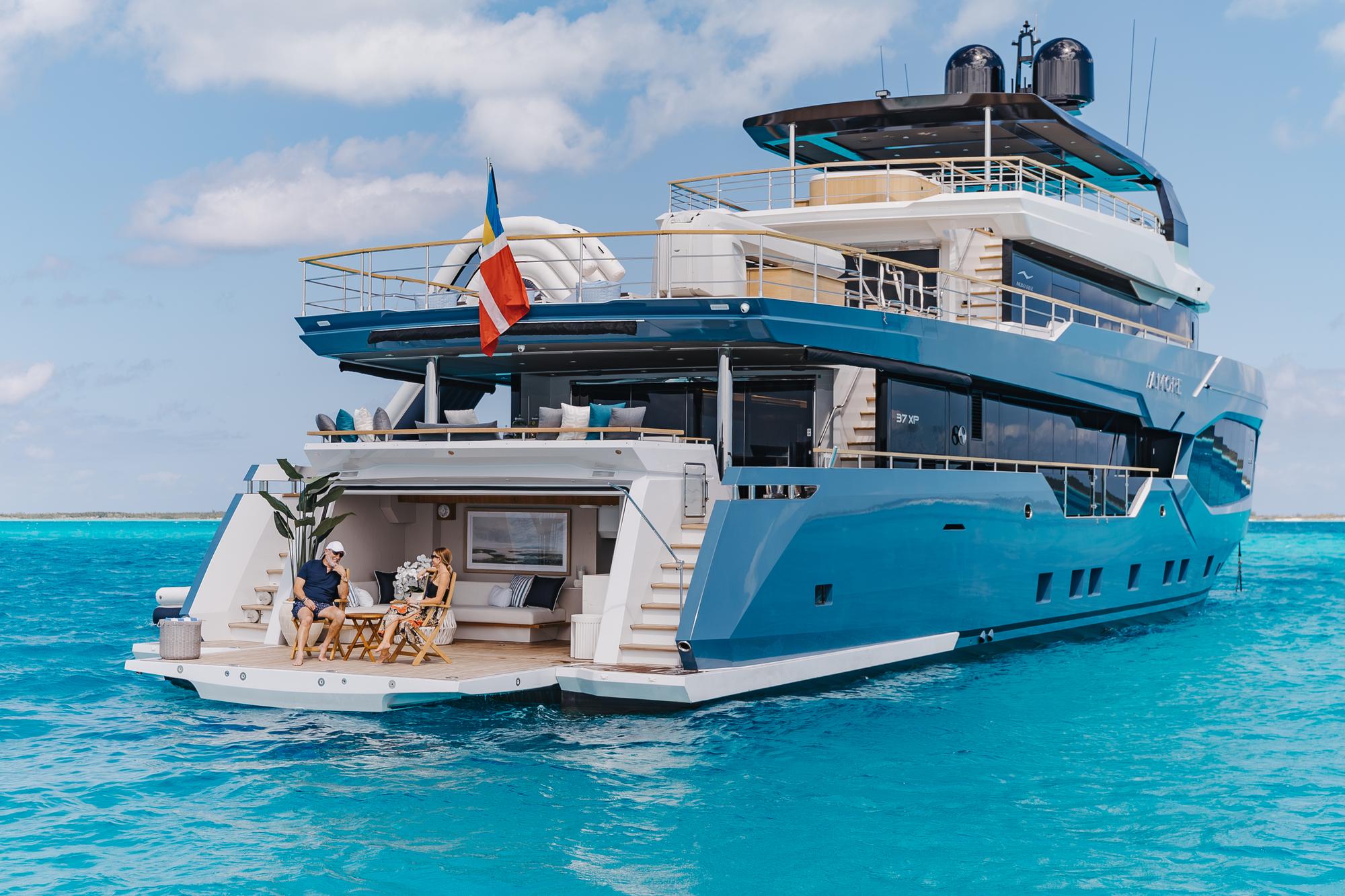
A first-time charter raises a predictable set of interrogations: how does the yacht charter process work, what does it actually cost, and what should you expect once you are on board? A Charter Broker provides concrete answers… all while addressing the questions you have not yet thought to ask.
Step-by-Step Guide to Chartering a Yacht
The first conversation with your Broker becomes the basis for your bespoke brief. They want to know who is coming, what the group enjoys, whether anyone has specific needs, and where you are drawn to. That picture determines which yachts make sense — not just in terms of size and availability, but whether the vessel’s layout suits a family travelling with children, or whether the Captain’s approach genuinely aligns with the itinerary of your dreams.
Yacht selection confirmed, your Broker builds the charter itinerary: a sequence of destinations and anchorages shaped around your priorities, whether that is diving the outer reefs of the Cyclades each morning or spending three days in a single bay, allowing the tranquil surroundings to work their magic and restore you from the inside out.
Before embarking, you will complete a preference sheet — everything from dietary requirements to how you take your coffee — which goes directly to the Captain and charter crew so the yacht is ready for you, made yours in every way that counts.
The booking itself is formalised through the MYBA charter agreement, the standard charter contract across the industry. Book a yacht charter at least six months ahead; the yachts most in demand fill considerably earlier. Explore yachts for charter to see what is available, or ask your Broker to search beyond the listed fleet.
What a day actually looks like


Understanding Charter Costs and Fees
The charter rate covers the yacht, her crew, and the vessel’s insurance for the duration of the charter week — everything required to put a fully crewed superyacht at your disposal. Fuel, food and beverages, dockage, and port fees fall outside the rate and are handled through the Advanced Provisioning Allowance, or APA, which is typically estimated at 20–30% of the charter fee. The Captain manages the fund and accounts for every draw; at the end of the voyage, whatever has not been spent comes back to you.
VAT and local taxes depend on where you charter and when, and the rules are not static. Your Broker will confirm what applies before the charter contract is signed, so the charter terms are understood in full before any money changes hands.

What to Expect on Your Charter Experience
The preference sheet reaches the yacht before you do. By the time you step aboard, the galley is stocked, the Captain has a first day’s route in mind, and the crew has read everything you submitted. That groundwork is what makes the first morning feel settled rather than like the beginning of something that still needs arranging.
On board, the experience is shaped by the yacht and by the charter crew in roughly equal measure. Many yachts carry water sports equipment — jet skis, paddleboards, dive gear — alongside spa facilities and fast Wi-Fi; what they offer varies, and your Broker will match what matters to your group with a vessel that calls for no compromise. The crew bring an attentiveness to the week that has little equivalent on land: a crewed charter is one of the few holidays where the day is genuinely organised around you rather than around the operation. From embarkation to disembarkation, the itinerary bends to your pace, evolves with your preference.
Discover charter destinations to start narrowing down where your next charter will take you.
