A Journey Through Ancient Wonders and Aegean Beauty
What to Do in Greece

Greece unfolds like a myth made manifest, where ancient temples crown sun-bleached hills and the Aegean stretches endlessly blue. Four millennia of human achievement have left their mark here, from the Parthenon’s marble columns to Byzantine monasteries perched on rock pinnacles. The question of what to do in Greece opens a treasury of experiences: breakfast beneath the Acropolis, lunch at a deserted cove accessible only by sea, sunset over Santorini’s volcanic caldera. Ancient and modern, land and sea, solitude and civilisation flow seamlessly together.
What to Do in Greece
Discovering Greece’s Island Kingdoms
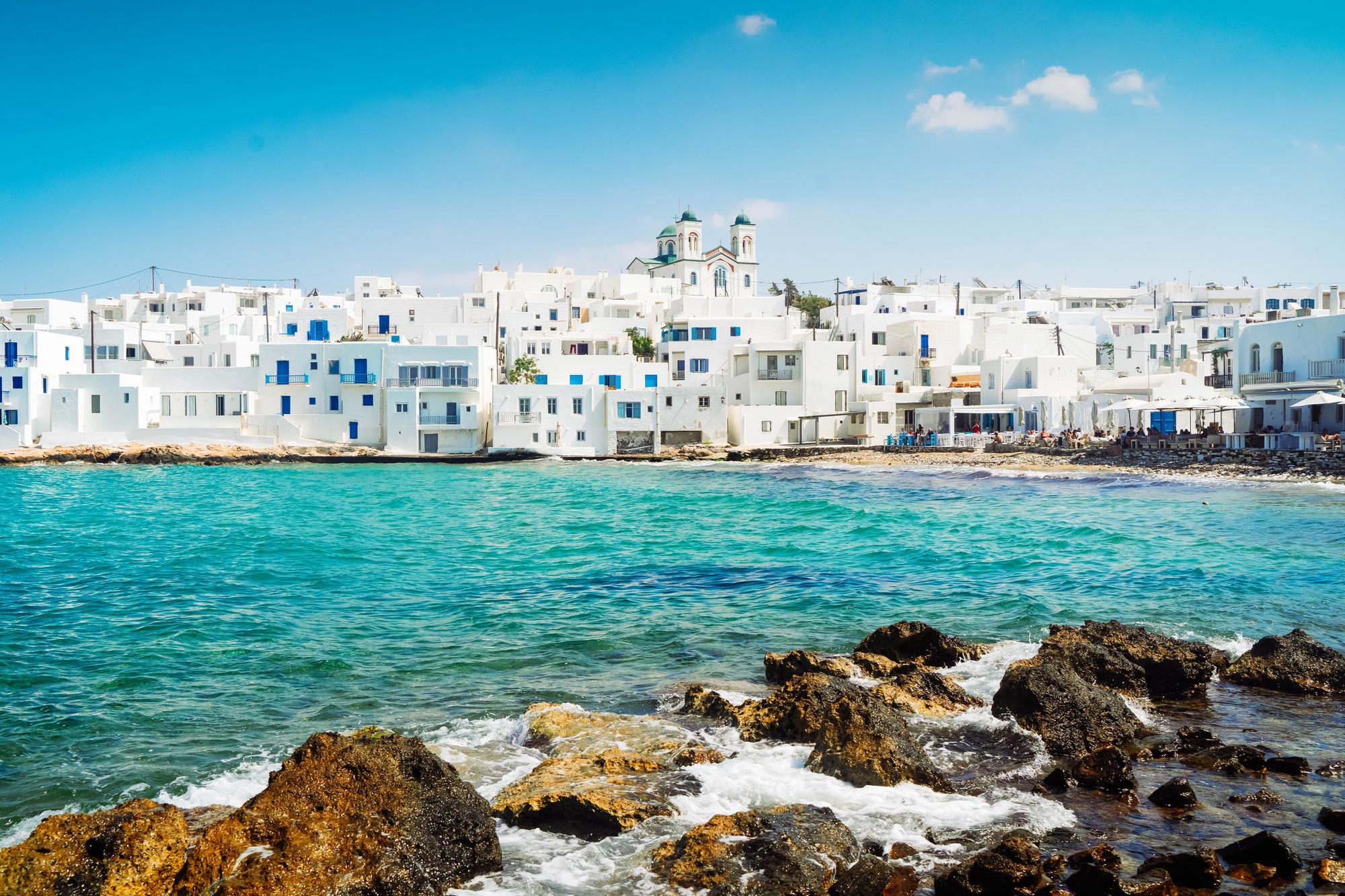
Greek waters are sprinkled with thousands of islands. The Cyclades rise from the Aegean like scattered pearls, their whitewashed villages pouring down volcanic slopes. Santorini’s cliff-edge settlements have graced countless photographs, though standing above that sapphire caldera as evening light transmutes the sky to rose gold proves an entirely different revelation, the views here remaining stunning regardless of the season. Mykonos pairs sophisticated haunts like Scorpios with secluded stretches such as Agios Sostis.
Crete, Greece’s largest island, functions almost as a nation unto itself. The Palace of Knossos preserves Minoan achievements from four thousand years past, while the Samaria Gorge—at sixteen kilometres, one of Europe’s longest canyons—carves through the White Mountains in the most dramatic display. The southern coastline reveals Elafonissi Beach, where pink coral sands dissolve into the turquoise depths of the Libyan Sea.
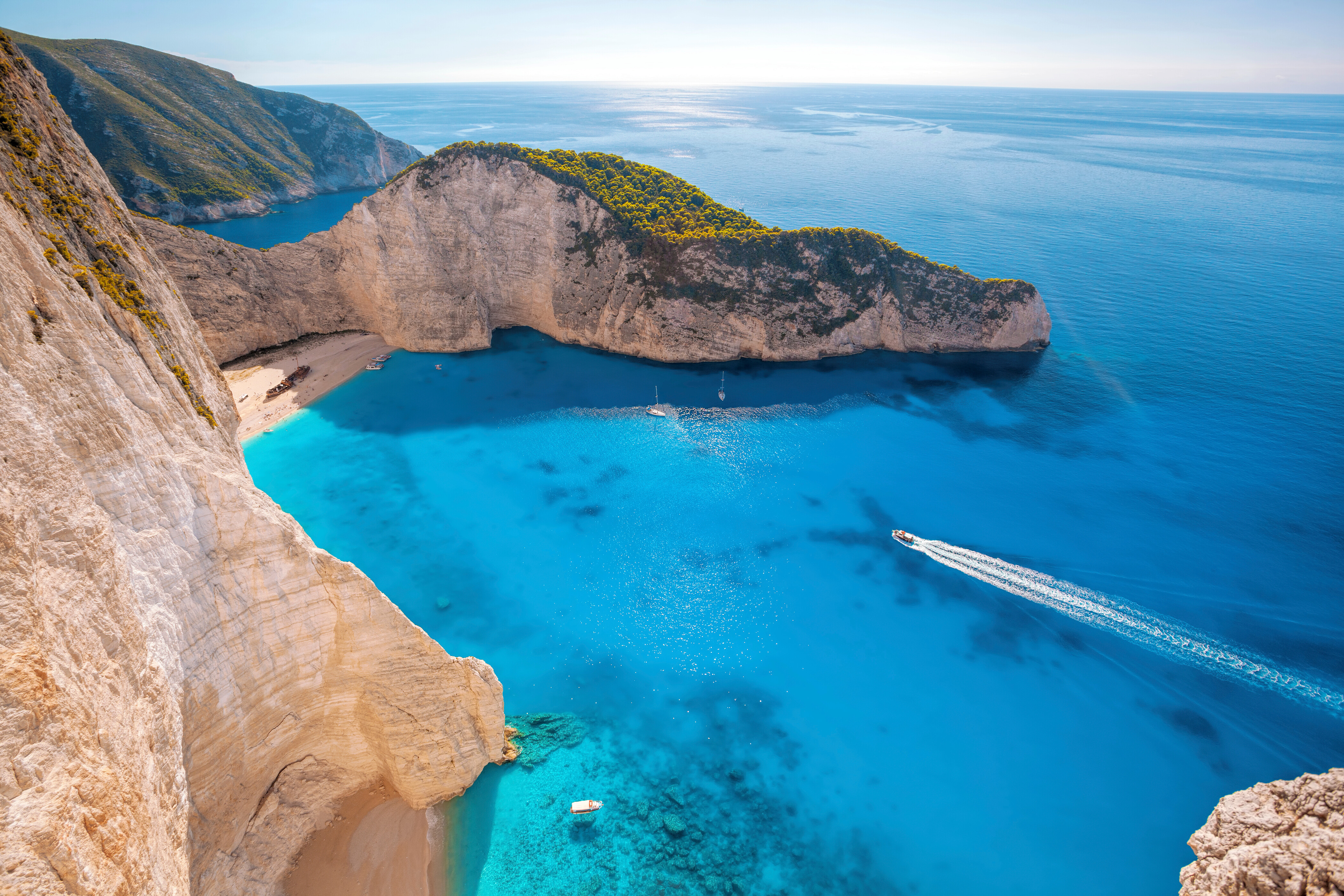
Westward, the Ionian Islands paint a different portrait. Corfu’s UNESCO-protected Old Town glows honey-gold, its Venetian architecture bearing witness to centuries of Republic rule. Zakynthos guards Navagio Beach, where a rusted shipwreck rests on alabaster sands beneath limestone cliffs.

Ancient Wonders That Define Civilisation
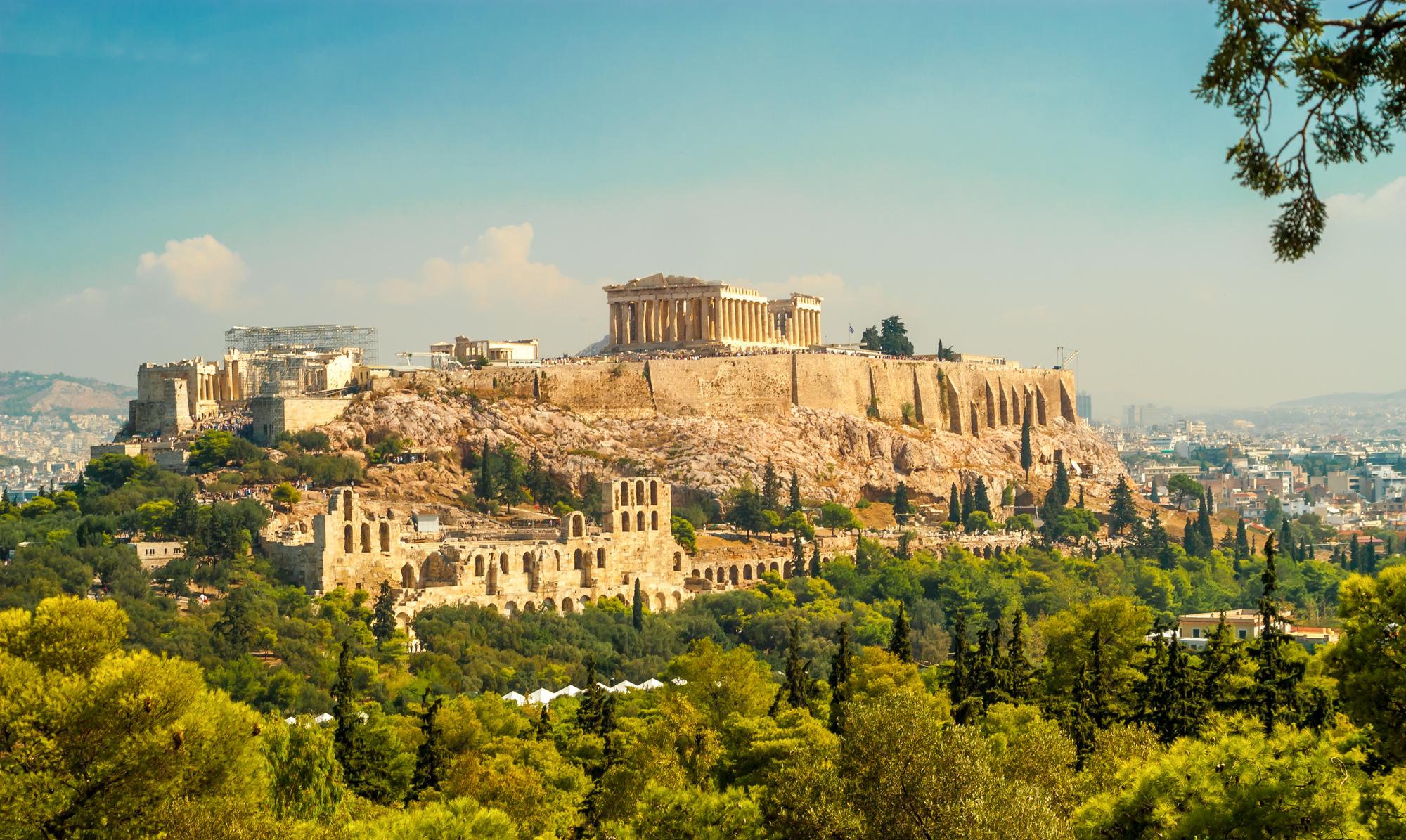
Understanding what to do in Greece is celebrating a humbling truth: this land gave birth to Western civilisation as we know it. Philosophy, democracy, theatre, the Olympic Games—all found their genesis here. The Acropolis dominates Athens, the Parthenon’s Doric columns rising in mathematical perfection, and below spreads the Ancient Agora, where Socrates questioned and citizens forged democracy through debate.
Beyond the capital, archaeological riches multiply. Delphi clings to Mount Parnassus, where the Oracle of Apollo shaped empires. The Theatre of Epidaurus demonstrates fourth-century engineering: a pin dropped centre stage carries to the uppermost row, fourteen thousand seats distant, without amplification.
The Peloponnese holds deeper history still. Ancient Olympia hosted the Games from 776 BCE; the original stadium is still here for us to behold. Mycenae’s iconic Lion Gate guards the Bronze Age fortress that lent its name to an entire civilisation.

Natural Splendour Beyond Compare
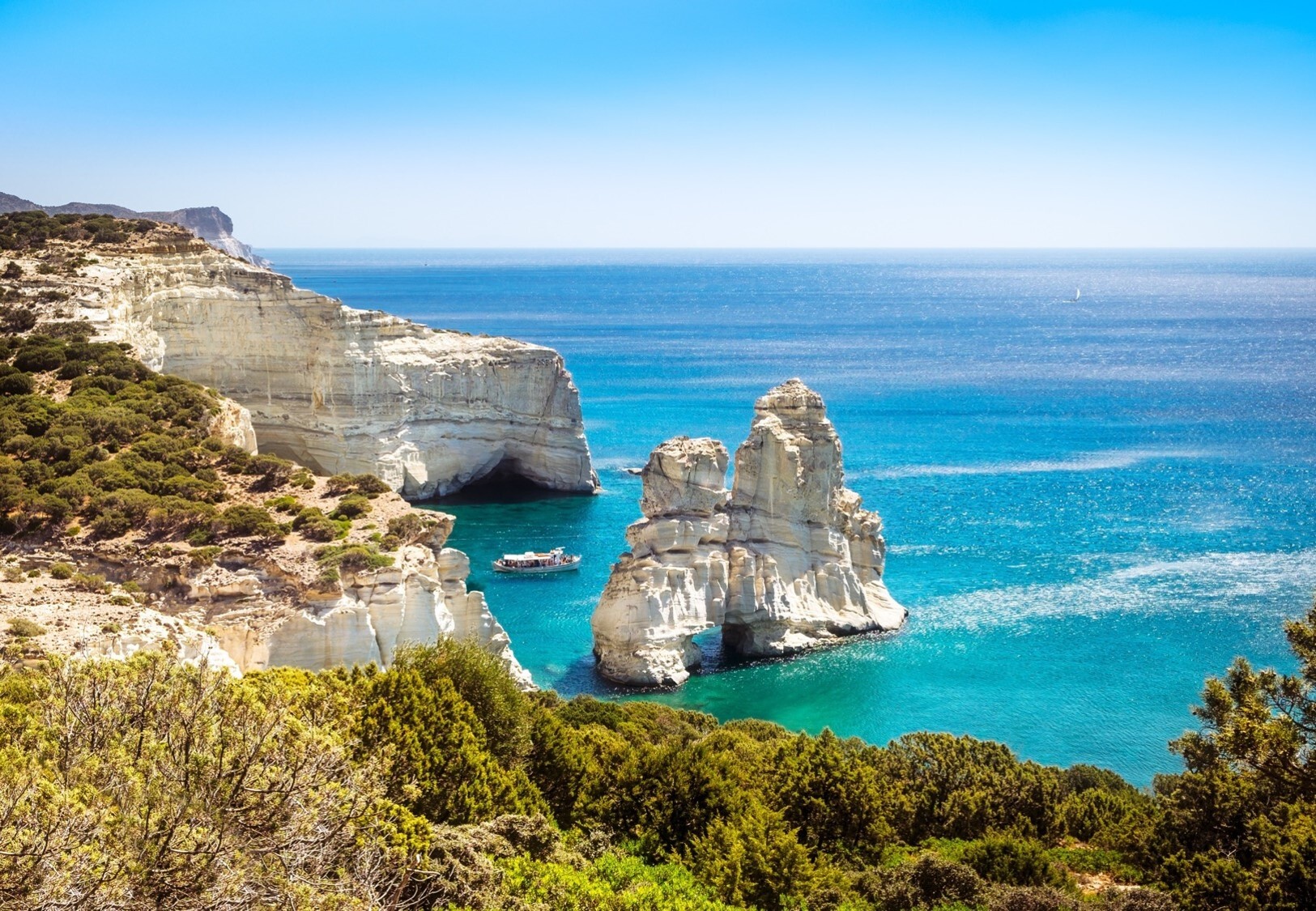
Greece’s landscapes refuse to be reduced to a single character. Milos presents lunar terrain—sea caves and beaches from pure white to the deepest ochre. The Kleftiko formations rise from impossibly blue waters like divine sculptures, accessible only by sea.
The mainland asserts a different grandeur. Mount Olympus soars to 2,917 metres, both Greece’s highest peak and mythology’s celestial throne. Trails wind through primaeval forests to alpine lakes called Drakolimni—Dragon Lakes—where legends claim these beasts dwelt. The Meteora monasteries defy belief, Byzantine sanctuaries perched atop rock pinnacles, floating between earth and heaven. Visit at dawn, when mist clings to the valley and the rising sun ignites ancient stones, revealing stunning views across the valley below.
Culinary Journeys and Gastronomic Delights
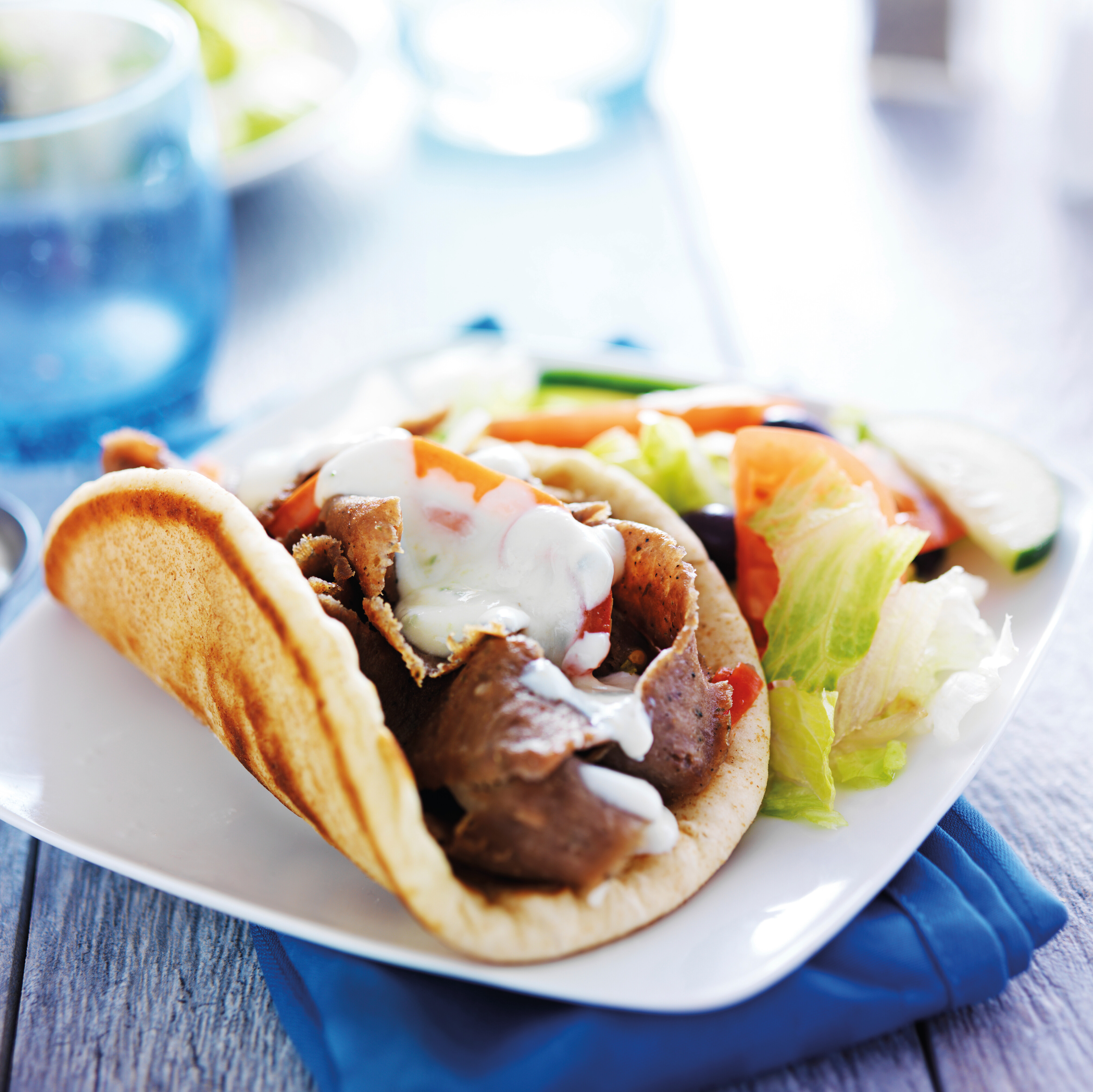
Greek cuisine proves revelatory when experienced here with proper ingredients and care. Classics like moussaka and grilled octopus become different creatures when prepared by skilled hands. Corfu’s Venetian heritage manifests in sofrito—tender veal in white wine and garlic—while Crete offers slow-cooked lamb, mountain-aged cheeses, and abundant mushroom pies.
Wine culture stretches back four millennia. Santorini’s volcanic soil yields Assyrtiko grapes, producing whites of unusual complexity. Estates like Gavalas welcome visitors for tastings, and waterfront tavernas serve seafood caught that morning by family boats, simply grilled with exceptional olive oil and lemon. This philosophy of restraint and quality pervades Greek cooking.

Cultural Immersion and Authentic Encounters
Some experiences resist scheduling. They emerge from wandering without agenda. Athens’s Plaka neighbourhood offers narrow lanes threading between Ottoman houses and Byzantine churches tucked between modern shopfronts. Arrive during Greek Orthodox Easter to witness fireworks illuminating the sky, whole lambs turning over fires, and candlelit processions through ancient streets.
Hydra has preserved its character exceptionally. No cars disturb its cobblestone paths—only donkeys and foot traffic. The harbour fills with wooden boats and elegant yachts, while neoclassical mansions testify to prosperous maritime history. This authenticity offers glimpses of Greece before mass tourism.
Adventures Beyond the Beaten Path
The Pindus Mountains harbour Zagorochoria, forty-six stone villages where slate roofs and cobblestone paths have remained unchanged for centuries. Hiking here means traversing remote landscapes, encountering Greece outside the bounds of modern time.
The Aegean and Ionian maintain exceptional clarity—visibility extends for tens of metres. Ancient amphora occasionally appear on the seabed, providing underwater encounters with history that few tourists experience.
The Art of Island Hopping
Greece’s six thousand islands require strategic exploration. The Saronic Gulf provides an ideal starting point—calm waters, exclusive destinations, and manageable distances from Athens. Aegina brings ancient temples, Poros neoclassical elegance, and Hydra car-free authenticity.
The Cyclades reward extended time. Beyond famous Mykonos and Santorini, Paros and Antiparos offer comparable beauty with fewer crowds. Travelling by private yacht transforms distances into seamless transitions. Wake at anchor, breakfast while underway, arrive for lunch ashore… the rhythm expands possibilities to encompass multiple islands daily. When considering what to do in Greece, this freedom to explore at will—moving between destinations as mood and weather dictate—defines the yacht charter experience. Each day unfolds with fresh possibilities.
Seasonal Considerations and Timing
Calendar choices matter as much as destinations when planning what to do in Greece. Summer’s peak—June through August—guarantees sunshine and warm seas but brings crowds and heat. Shoulder seasons offer more nuanced appeal. May and June see Greece verdant, wildflowers carpeting hillsides, and temperatures comfortable. September and October bring warm seas, dissipated crowds, and cooler evenings perfect for lingering dinners.
Spring suits hiking and archaeological exploration. Autumn shifts focus towards wine country and harvest celebrations. Each season reveals a different Mediterranean adventure, making any trip rewarding regardless of timing.
Experience Greece with Fraser
Exploring Greece’s countless wonders properly requires both freedom and expertise—the former to follow opportunities as they arise, the latter to know which opportunities merit pursuit. Fraser brings seventy-five years of yachting heritage to this equation, crafting bespoke Greek itineraries that balance celebrated destinations with discoveries known only to those who’ve spent years navigating these waters. The result: journeys that reveal Greece’s extraordinary depth while maintaining the comfort and privacy that crewed charter provides.
What to Do in Greece
Frequently Asked Questions
CONTINUE EXPLORING
Yachting Destinations & Travel Guides