Where Luxury Meets the Edge of the Map
Explorer Yacht vs. Traditional Yacht

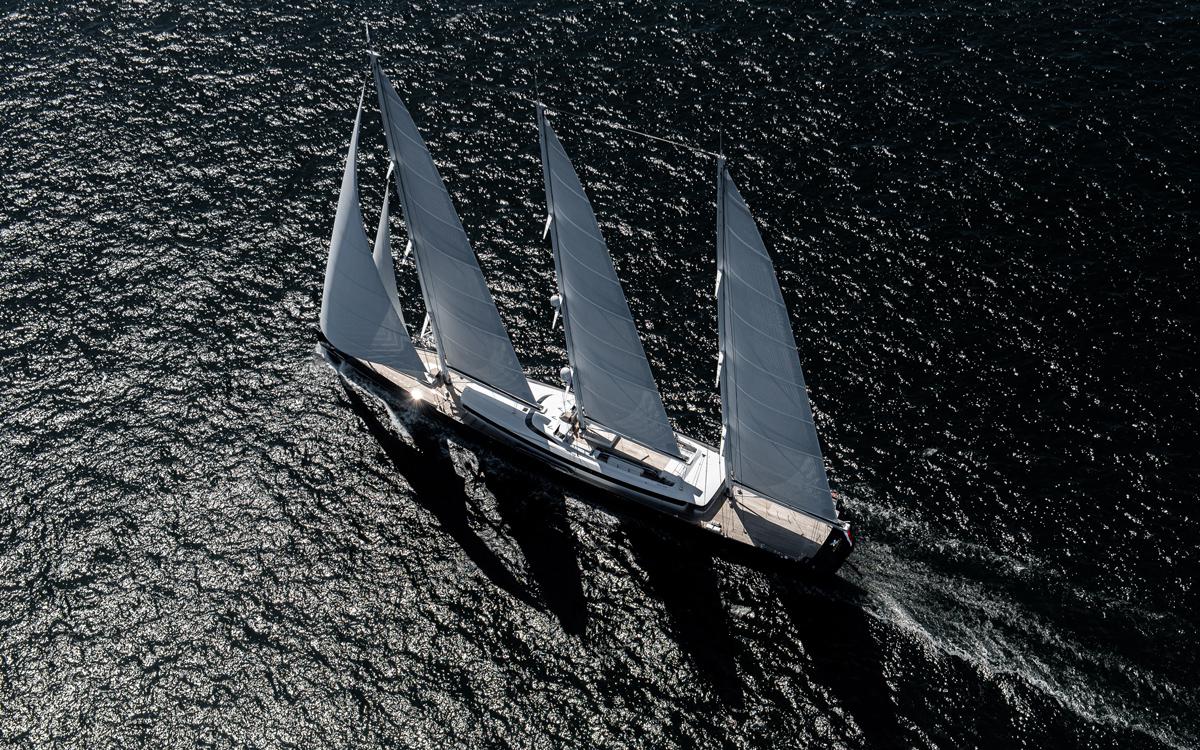
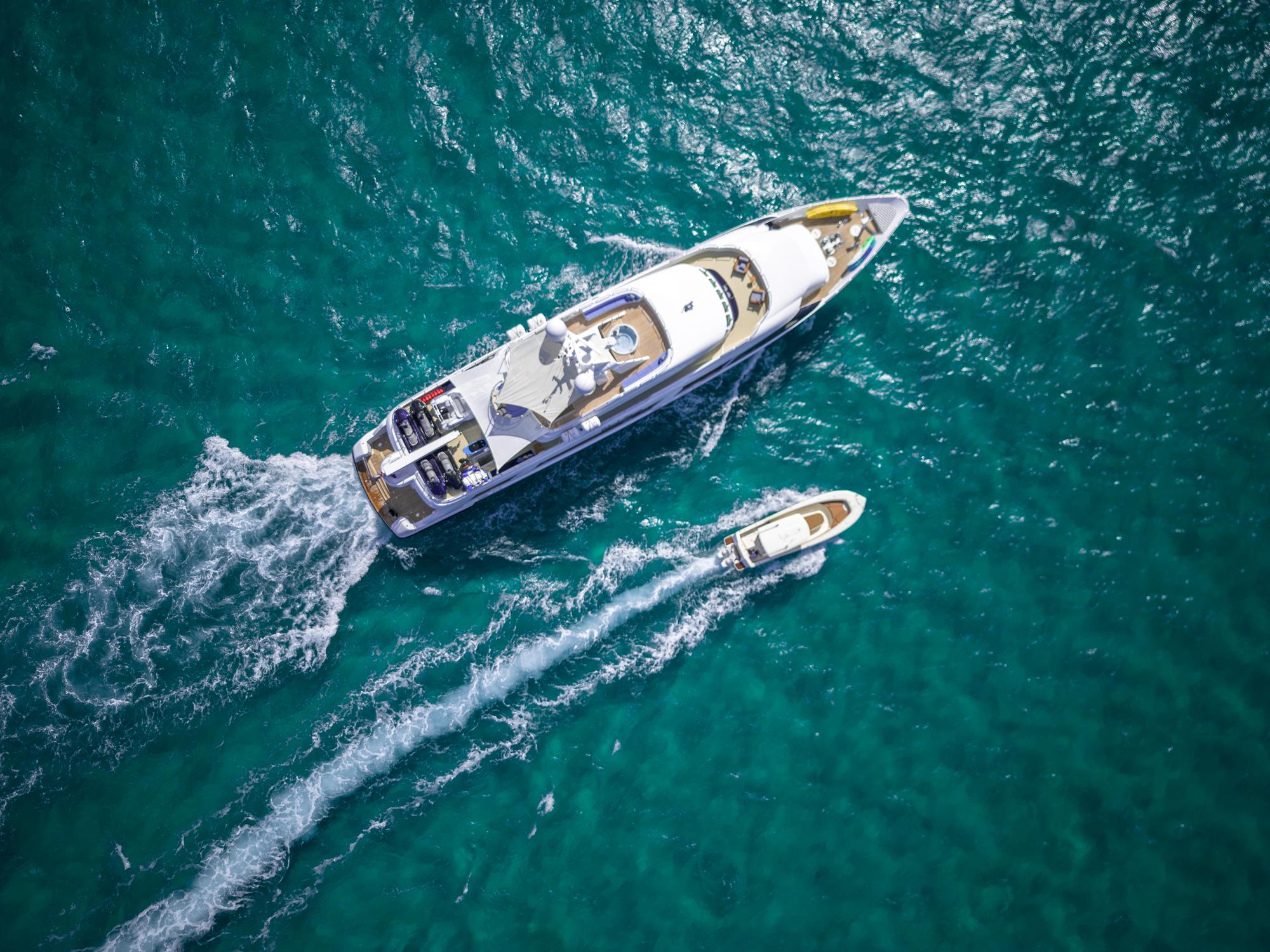
The debate between explorer yacht vs. traditional yacht has never concerned which offers greater luxury—both occupy the apex of maritime excellence. What distinguishes them is the nature of the journey they enable: one pursues the refined pleasures of celebrated harbours, the other extends that same refinement to horizons few will witness. This divergence reflects the fundamental question of what sort of freedom you seek from the world’s most exclusive vessels.
Explorer Yacht vs. Traditional Yacht
The Philosophy of Exploration
Traditional yachts have spent decades perfecting a particular art: delivering impeccable service against the backdrop of the Mediterranean’s crystalline coves, the Caribbean’s turquoise horizons, the social energy of St Barts and Monaco. These vessels understand their territory intimately. Every berth in every harbour has been refined into an expression of luxury that generations have polished to near perfection.
Explorer yachts emerged from a different recognition entirely—that some of Earth’s most profound beauty exists beyond the reach of conventional vessels, however refined they may be. Rather than rejecting the established circuit, these steel-hulled pioneers simply refused to accept its boundaries as final.

Engineering for the Impossible
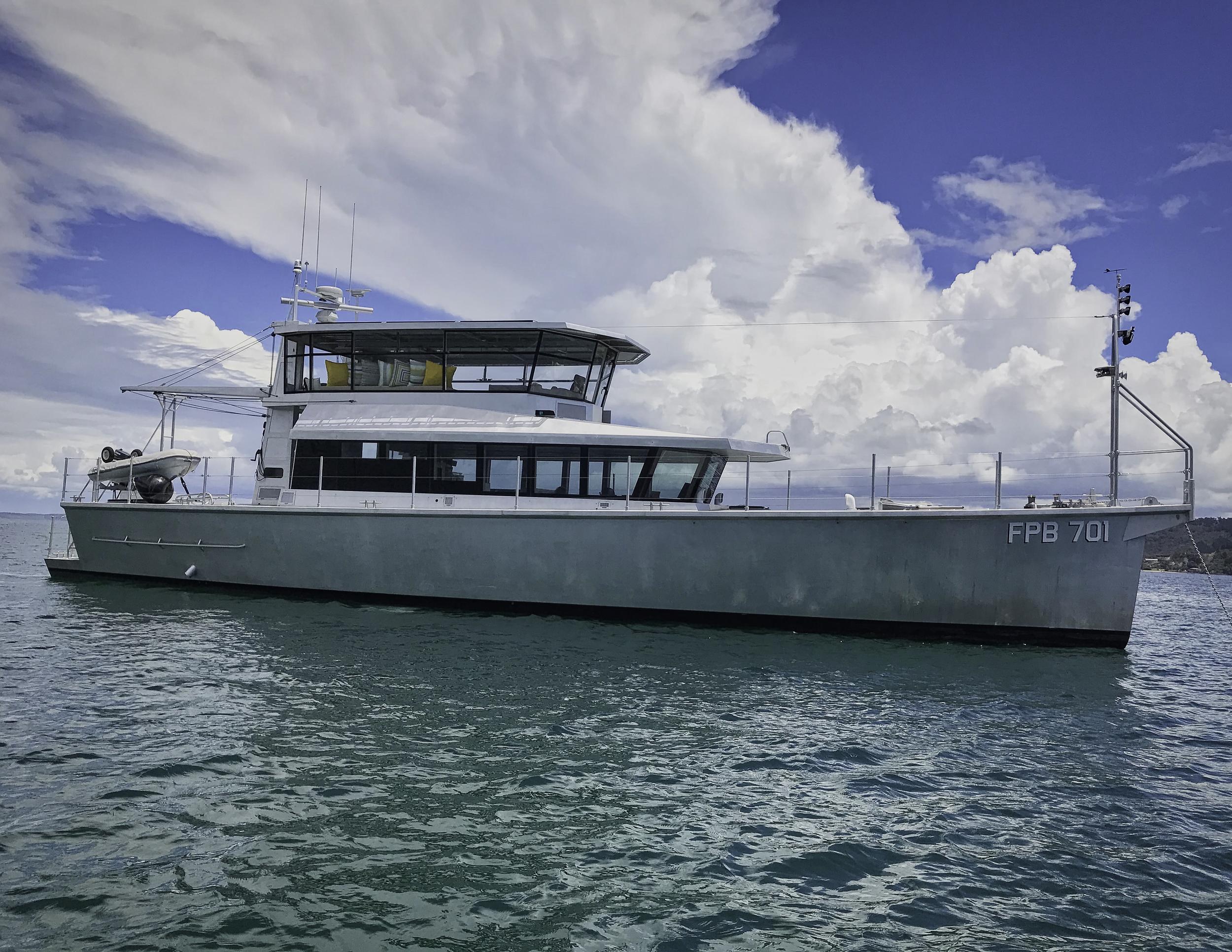
Understanding the explorer yacht vs. traditional yacht distinction begins with construction philosophy. Traditional vessels favour aluminium precisely because speed and elegance demand it, as lighter hulls slice through protected Mediterranean waters with grace. Explorer yachts demand something else entirely: steel displacement hulls capable of parting pack ice. The choice determines which waters you can enter.
Ice-class certification follows from this divergence. Vessels bearing Polar Code compliance or Finnish-Swedish Ice Class rating embrace conditions that would threaten conventional yachts through reinforced hulls, ice-breaking bows, and deeper draughts, ensuring stability when seas turn hostile. Hull design at this level serves survival before aesthetics.
Range defines capability most clearly. Traditional yachts manage 3,000 nautical miles between refuelling—ample for the Atlantic or Caribbean islands. Explorer yachts exceed 5,000 nautical miles, some pushing beyond 7,000. Translated into experience, this means 30 to 40 days at sea without resupply—inhabiting remote waters rather than briefly visiting them.
The Architecture of Self-Sufficiency
Range figures tell only part of the autonomy story. True independence requires watermakers producing hundreds of litres hourly, waste management systems functioning flawlessly for weeks, and refrigerated storage exceeding 90 cubic metres—mathematical necessities for extended crew and guests across climates ranging from equatorial heat to Antarctic cold.
These vessels transform wasted spaces into strategic storage for spare parts that cannot be sourced remotely. Every cubic metre serves one requirement: that the yacht remains entirely capable and independent for durations that would strand lesser vessels.
Assembling Expertise
Crew composition reveals the clearest operational divide. Traditional vessels employ exceptional hospitality professionals—captains who know every Mediterranean harbour, Michelin-trained chefs, attentive stewards.
Explorer yachts require all this plus ice pilots reading frozen seas, helicopter pilots for reconnaissance and evacuation, submarine pilots, and expedition guides with scientific credentials. Many crew carry dual qualifications—deckhands who are paramedics, engineers with mountaineering certifications—because in remote waters, the vessel’s complement must solve every problem from within.


Destinations That Demand More
Traditional yachts have refined certain pleasures to an art form: Michelin-starred meals served as the sun sets over Capri, water sports in crystalline bays, access to legendary restaurants, and nightlife that defines Mediterranean summers.
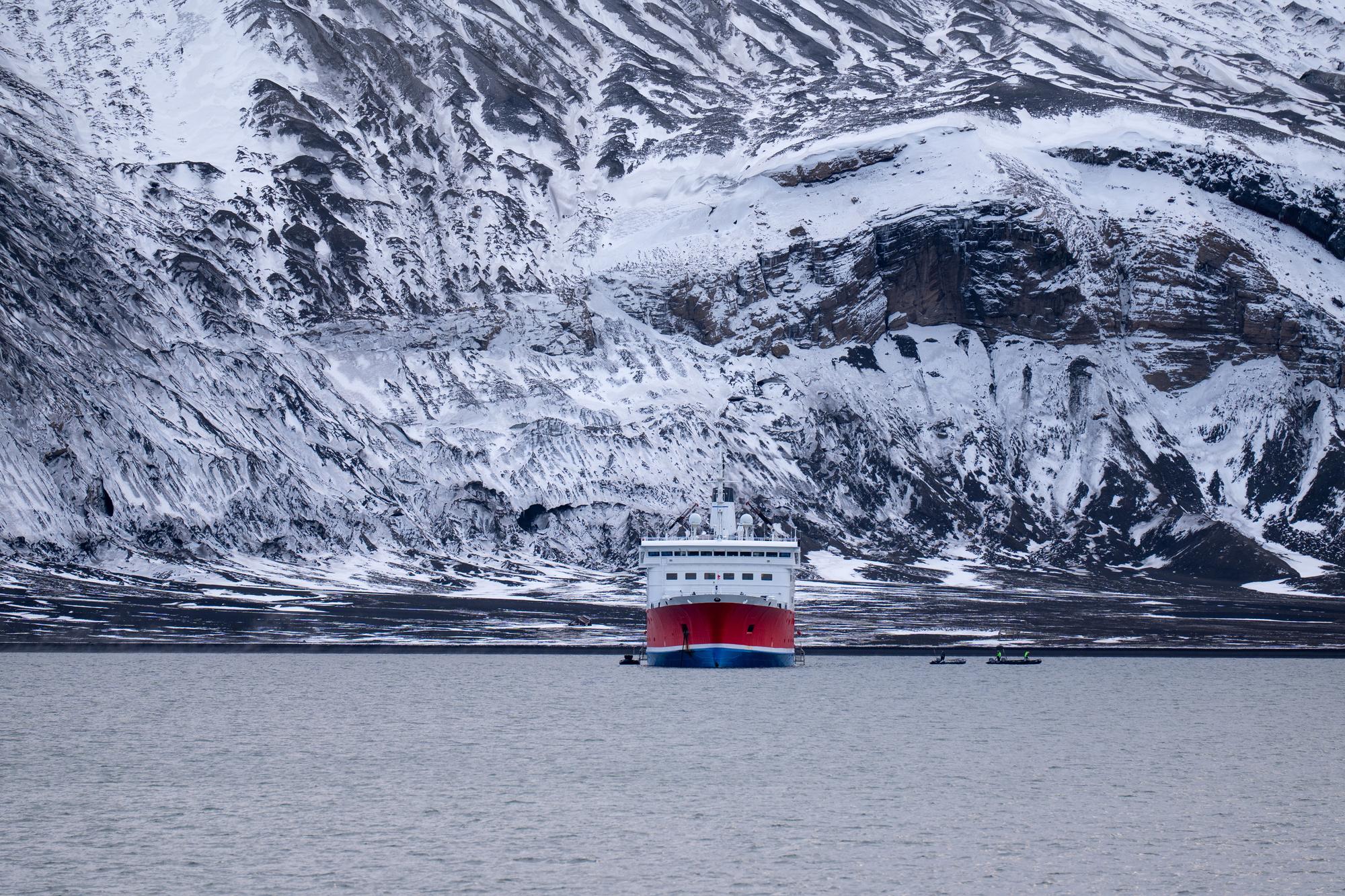
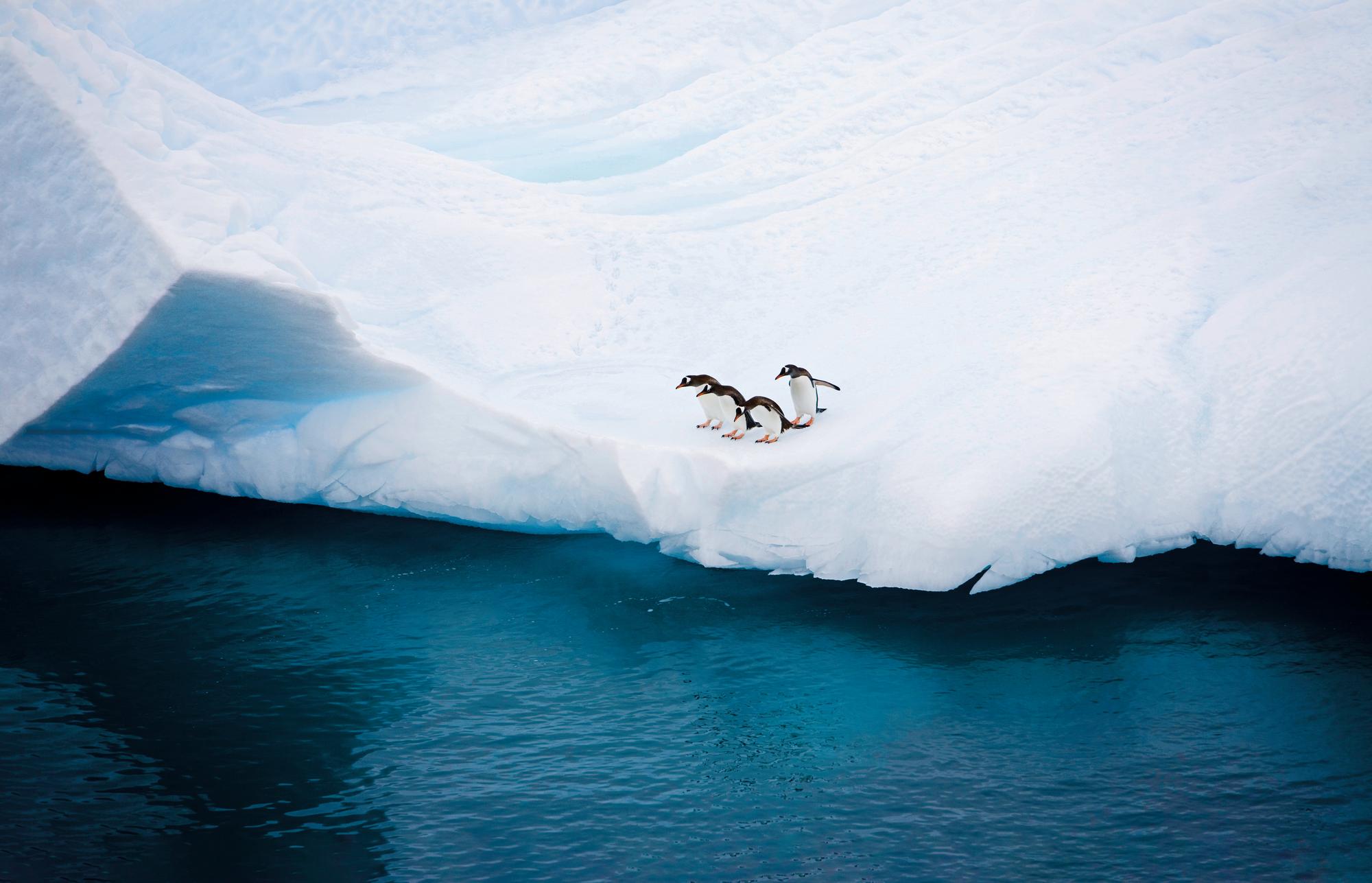
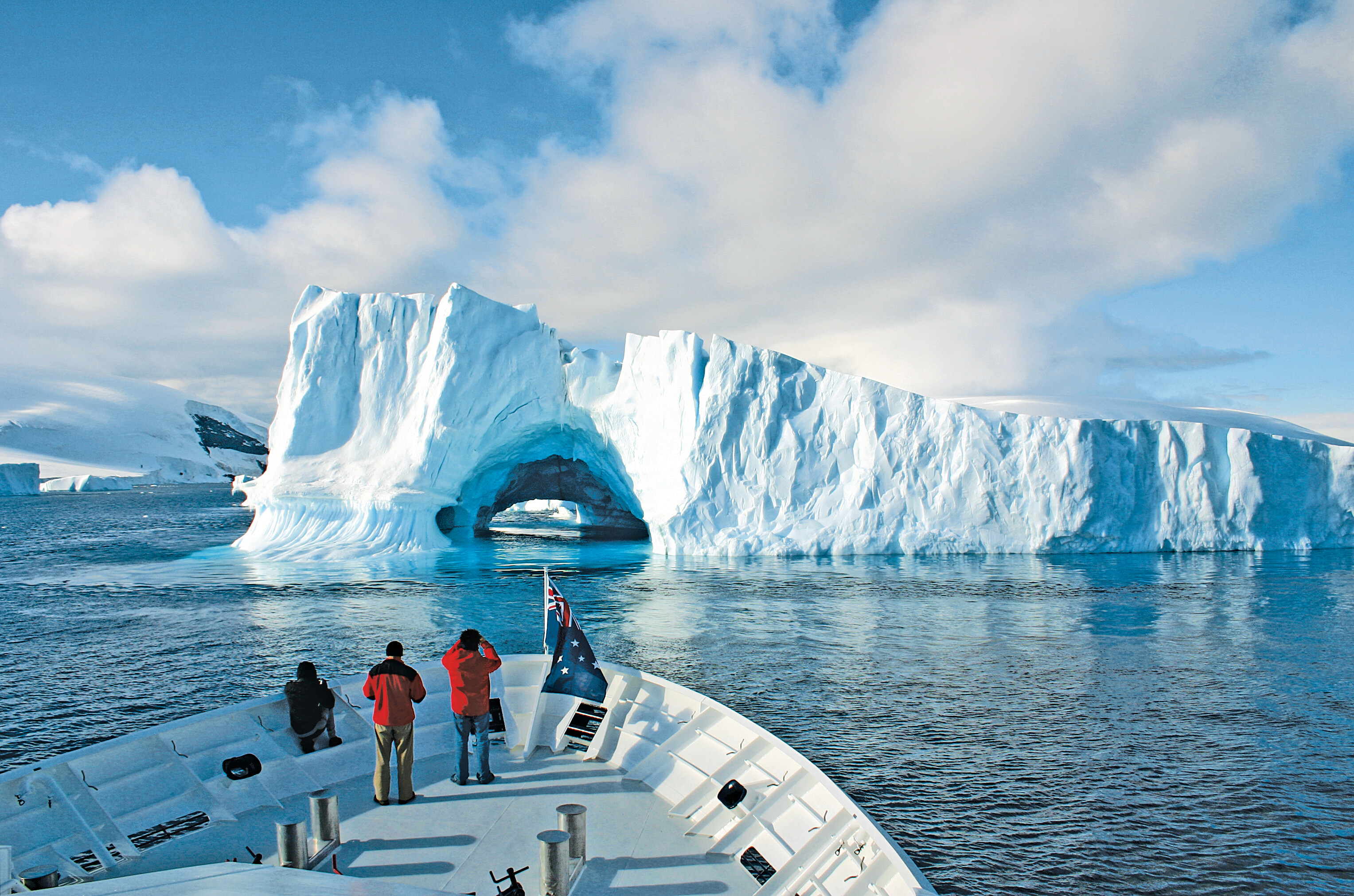
Explorer yachts extend that sophistication to places conventional vessels cannot reach. The Antarctic Peninsula, where humpback whales breach close enough to feel the displacement, and virgin ski slopes descend into the Southern Ocean. The Northwest Passage that threads between cathedral icebergs under the midnight sun. The Galapagos, where wildlife encounters unfold with scientific intimacy. Patagonian fjords, where raw geology meets water in formations carved by vanished glaciers.
The distinction is between what has been curated over decades and what must be discovered each time anew.

The Equipment of Adventure
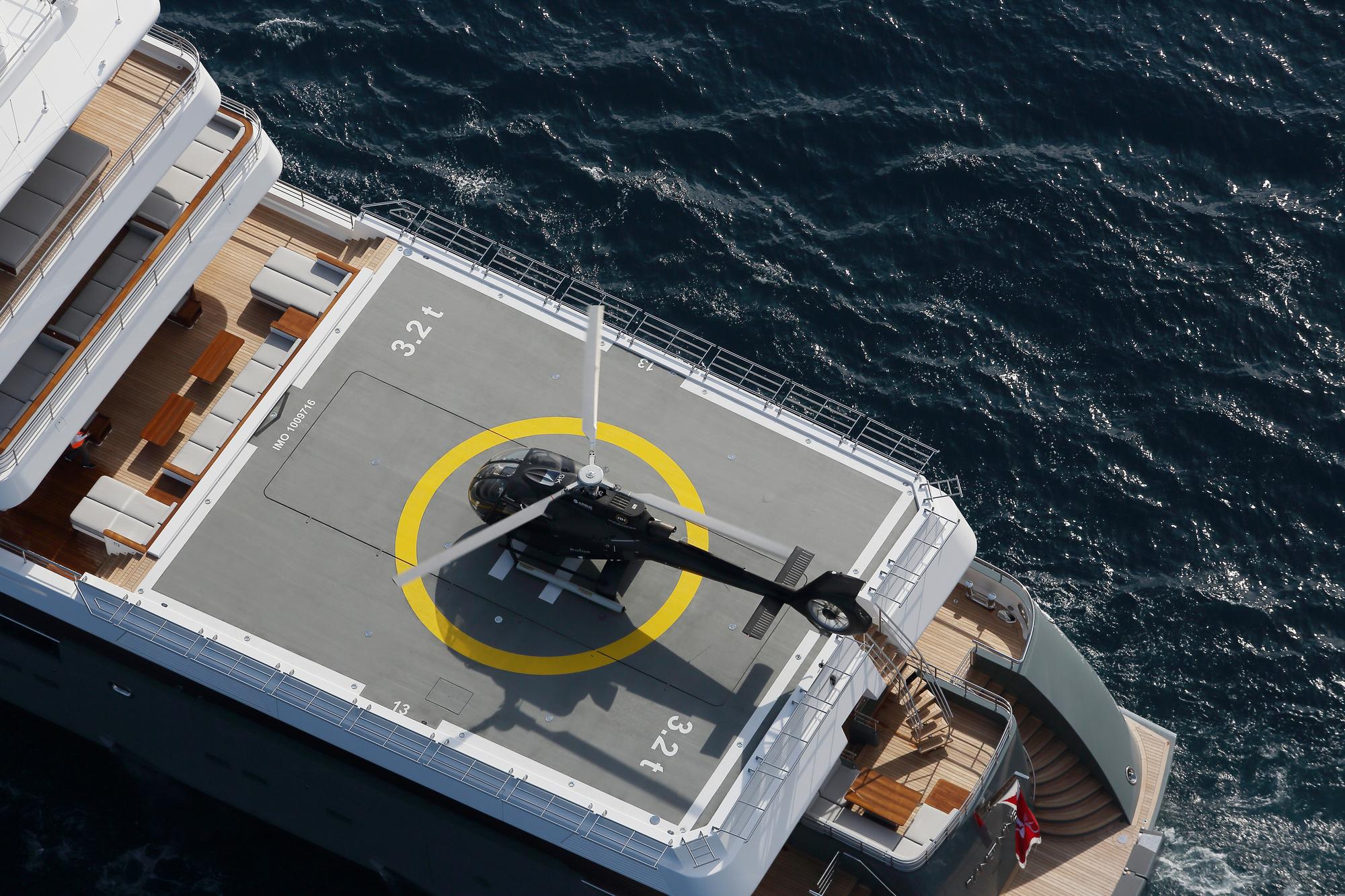
Personal submarines fitted with 4K imaging systems unlock shipwreck archaeology and exploration of previously unexplored geological formations. Helicopters provide safety redundancy beyond rescue range and access to terrain that would otherwise require weeks of approach. Some vessels carry amphibious vehicles, snow scooters, even seaplanes—equipment suites on board explorer yachts rival research vessels rather than typical superyacht amenities.
Heated mud rooms accommodate 16 pairs of skis for expedition groups. Decontamination stations meet Antarctic biosecurity requirements. Hangars shield equipment from conditions that would destroy it overnight.
The Practicalities of Polar Luxury
Operating an explorer yacht vs. a traditional yacht means engineering for extremes that conventional vessels never face. Heating systems for Arctic conditions coexist with air conditioning for equatorial passages. De-icing prevents dangerous equipment malfunction. Fuel additives keep diesel fluid at temperatures that would otherwise cause paralysis.
Yet comfort never diminishes. Hot tubs remain heated through waste heat recovery, creating warm sanctuaries against the icy cold. Winter gardens extend living spaces into environments lethal to unprotected exposure.
The Charter Experience Reimagined
Time operates differently in any explorer yacht vs. traditional yacht charter comparison. Traditional yacht charters span one to two weeks—ideal for exploring a region and returning refreshed. Explorer yacht charters extend to multiple weeks, a timeframe that the sheer distance demands. Two weeks might be consumed reaching Antarctica from major departure points, and exploration begins only upon arrival. These long voyages require different planning and a different mindset entirely.
The client profile reflects this shift. Those drawn to explorer yachts view the Mediterranean circuit as prologue rather than culmination, embracing the remote wilderness as privilege rather than hardship.


Technical Excellence in Service of Experience
Specifications serve experience rather than existing for themselves. Cruising speeds of 10 to 12 knots privilege efficiency because arriving hours earlier at a two-week destination changes nothing meaningful. Heavy-duty diesel engines matter for proven performance across ocean miles without maintenance access.
Safety equipment reflects commercial standards—lifeboats for extreme conditions, sophisticated fire suppression, substantial medical facilities—because in true wilderness, self-sufficiency determines survival.
The Question of Choice
The explorer yacht vs. traditional yacht distinction reveals two equally sophisticated expressions of maritime luxury. Traditional yachts perfect refined pleasure within celebrated cruising grounds. Explorer yachts extend that sophistication to frontiers where capability gets tested against nature’s harshest expressions.
Your choice reflects temperament. Some discover ideal luxury in St Tropez Harbour’s glittering social energy. Others find it watching the aurora borealis from a heated deck in a Norwegian fjord accessible only to vessels engineered for this purpose.
Whether you’re drawn to charter a yacht for an Antarctic expedition, buy a yacht purpose-built for exploration, or acquire an explorer vessel for your own programme of discovery, understanding these capabilities ensures your journey unfolds according to your vision.
Charter the Extraordinary with Fraser
For over 75 years, Fraser has guided discerning clients to yachting experiences that match their ambitions, whether Mediterranean elegance or polar expedition. Our charter specialists understand both traditional and explorer yacht capabilities intimately, ensuring your voyage—wherever it leads—unfolds with seamless expertise. Explore our yacht buying guide or speak with our team about designing an adventure worthy of your vision.
Explorer Yacht vs. Traditional Yacht
Frequently Asked Questions
CONTINUE EXPLORING
Buying & Selling Yachts